
Raw Cashew Supplier Tanzania for Bulk Buyers
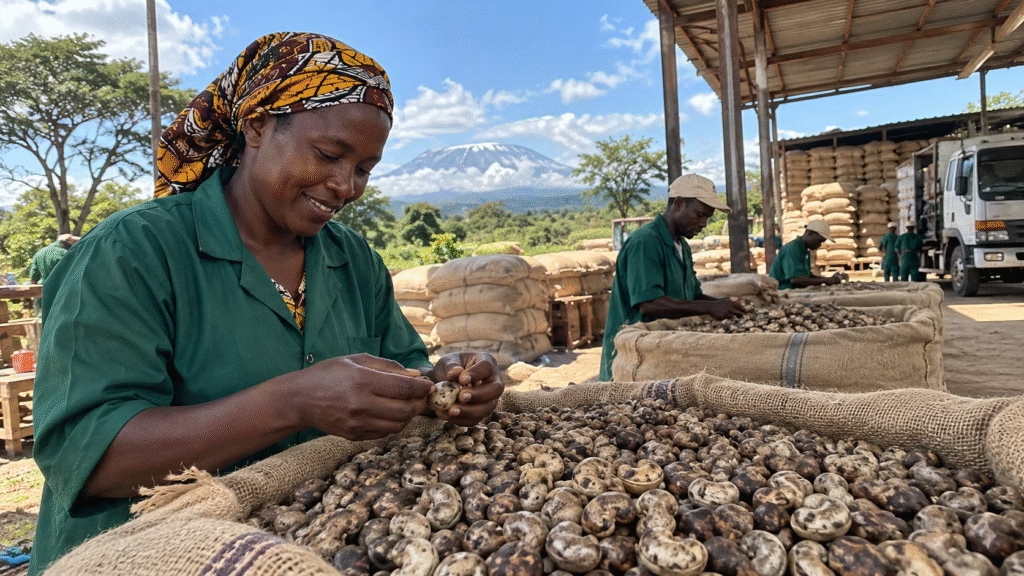
Tanzania has established itself as an important origin for raw cashew nuts, attracting the attention of international traders, processors, and food manufacturers. With cashew farming supporting many rural communities, the country’s cashew industry plays a valuable role in agricultural trade. Buyers seeking dependable supplies need more than competitive prices; they also need consistent quality, careful storage, transparent sourcing, and reliable shipment arrangements.
Choosing a trusted Raw Cashew Supplier Tanzania can help businesses source raw cashew nuts that meet their processing requirements while building long-term commercial relationships. Ahar Group understands the importance of these factors and focuses on quality-oriented sourcing, professional supply-chain coordination, and customer satisfaction in agricultural commodity trading.
In this article, we explore Tanzania’s cashew industry, how raw cashew nuts are prepared for export, the quality specifications buyers should consider, and the benefits of working with a dependable supplier.
Table of Contents
1. Raw Cashew Nut Cultivation in Tanzania
Cashew cultivation is an important agricultural activity in Tanzania, particularly in the southern regions. Areas around Mtwara, Lindi, and Ruvuma are associated with cashew production, providing income opportunities for farmers, traders, and businesses involved in the supply chain.
Cashew trees grow well in tropical climates with warm temperatures, suitable rainfall, and well-drained soils. Once established, these trees can produce crops for many years when properly managed.
The production cycle involves several activities, including pruning, weed management, pest monitoring, harvesting, and post-harvest handling. Farmers must pay attention to these stages because the condition of the harvested crop directly affects its value in the market.
After the cashew apples fall naturally from the trees, farmers collect them and separate the nuts from the fruit. The raw cashew nuts are then dried before being sold to collectors, processors, or exporters.
For international buyers, working with a reliable Raw Cashew Supplier Tanzania can provide access to sourcing networks that understand local harvesting conditions and the importance of maintaining quality after collection.
2. Why Tanzania Is an Important Cashew-Sourcing Destination
Tanzania is recognized as one of Africa’s significant raw cashew-producing countries. Its established farming communities, seasonal harvests, and export infrastructure make it relevant to international cashew procurement.
Several factors contribute to the country’s importance in the cashew trade.
Established Production Regions
Southern Tanzania has a long association with cashew cultivation. Local farming knowledge and established collection networks support the movement of raw nuts from farms to purchasing points and warehouses.
Opportunities for Bulk Procurement
Cashews are collected from numerous farms, creating opportunities for suppliers to consolidate produce into commercial quantities. Effective coordination is essential to maintain consistent specifications across larger shipments.
Export Infrastructure
The Port of Mtwara is particularly relevant to cashew exports from southern Tanzania. Other logistics routes may also be used depending on the origin of the goods, shipment arrangements, and destination.
Scope for Improved Quality Management
Better drying, grading, warehouse management, and transportation practices can reduce losses and help maintain product quality. These improvements are important for suppliers serving buyers with specific processing requirements.
For businesses looking for a Raw Cashew Supplier Tanzania, these factors make it worthwhile to evaluate the origin, handling practices, and shipment capabilities of potential partners before placing an order.
3. Ahar Group: Supporting the Raw Cashew Supply Chain
Ahar Group focuses on agricultural commodity sourcing and supply-chain coordination, with an emphasis on product quality, transparent communication, and long-term business relationships.
Raw cashew nuts require careful management from the time they are collected until they reach the processing facility. Poor drying, excessive moisture, unsuitable storage, or rough handling can reduce their commercial value.
Ahar Group recognizes the importance of these considerations when working with agricultural commodities. Our approach emphasizes understanding buyer specifications, coordinating sourcing requirements, and maintaining clear communication throughout the procurement process.
Different customers have different needs. A cashew processor may prioritize kernel yield, nut count, moisture content, and defect levels. A commodity trader may also focus on volume, pricing, packaging, documentation, and delivery schedules.
By discussing these requirements in advance, buyers and suppliers can establish realistic expectations and reduce the risk of disputes.
Businesses interested in working with Ahar Group should confirm current product availability, sourcing arrangements, and shipment specifications directly before finalizing a purchase.
4. How Raw Cashew Nuts Are Harvested and Prepared
The quality of raw cashew nuts depends heavily on post-harvest handling. Even nuts harvested from healthy trees can deteriorate if they are not dried and stored correctly.
The preparation process generally includes the following stages.
Harvesting and Collection
Mature cashew apples are collected, and the nuts are separated from the fruit. Careful collection helps minimize damage and contamination.
Drying
Freshly collected nuts contain moisture that must be reduced before storage. Depending on weather conditions and the starting moisture level, nuts may be dried in the sun on suitable surfaces.
Drying should be managed carefully to achieve the agreed moisture specification without exposing the nuts to contamination or prolonged damp conditions.
Cleaning and Sorting
After drying, the nuts may be cleaned to remove foreign materials such as stones, soil, and plant debris. Sorting can help separate damaged or unsuitable nuts from the main batch.
Quality Inspection
Suppliers may assess moisture content, nut count, outturn, and visible defects. The results help buyers determine whether the batch meets their contractual requirements.
Storage and Shipment Preparation
Prepared nuts are stored in clean, dry, well-ventilated warehouses. They are then packed and arranged for transportation according to the buyer’s instructions.
A dependable Raw Cashew Supplier Tanzania should understand these stages and explain the quality checks carried out before dispatch.
5. Quality Specifications for Raw Cashew Nuts
Quality specifications help buyers compare products and determine whether a shipment is suitable for processing. Actual requirements vary according to the season, origin, buyer contract, and intended use.
The following table illustrates common parameters that buyers may request.
| Parameter | What buyers should check |
|---|---|
| Outturn | Expected quantity of usable kernels obtained from the raw nuts |
| Nut count | Number of nuts per kilogram or another agreed unit |
| Moisture content | Whether the nuts meet the contract’s drying requirements |
| Foreign matter | Presence of soil, stones, plant material, or other contaminants |
| Damaged nuts | Proportion of broken, immature, insect-damaged, or otherwise defective nuts |
| Packaging | Bag material, bag weight, and condition of the packaging |
Outturn is commonly expressed in pounds of kernels per standard 80 kg bag of raw cashew nuts. A higher outturn generally indicates better potential kernel recovery, although the actual result also depends on processing conditions.
Moisture requirements should be agreed upon and verified for the specific shipment. Buyers commonly seek properly dried raw cashews to reduce the risk of mould and deterioration during storage and transport.
It is important not to assume that every shipment from a particular origin meets identical specifications. Inspection and representative sampling provide a more dependable basis for commercial decisions.
6. Global Demand for Tanzanian Cashews
Raw cashew nuts are important raw materials for the global cashew-processing industry. Processing facilities convert them into kernels that are sold to snack manufacturers, food processors, wholesalers, retailers, and confectionery businesses.
Tanzania supplies raw cashew nuts to international markets, with Asian processing destinations playing an important role in the trade. The precise destination mix can change from season to season depending on prices, government regulations, purchasing demand, and shipping arrangements.
Several industries contribute to demand for cashew kernels:
- Snack manufacturing: Roasted and salted cashews are popular in packaged snack products.
- Confectionery: Cashews are used in sweets, chocolate products, and dessert fillings.
- Bakery products: Pieces and whole kernels can be added to biscuits, cakes, and pastries.
- Food processing: Cashews are used in sauces, spreads, plant-based products, and prepared foods.
- Wholesale distribution: Importers and distributors supply cashew kernels to retailers and food-service businesses.
As demand for these products evolves, dependable sourcing and quality control remain important for buyers.
7. Packaging, Storage, and Transportation
Raw cashew nuts can lose quality when exposed to moisture, poor ventilation, pests, or contamination. Appropriate storage and packaging therefore play an essential role in export preparation.
Raw cashews are commonly packed in suitable jute or other agreed bags. The final packaging format depends on buyer requirements, shipment size, handling conditions, and the destination market.
Before dispatch, suppliers should ensure that:
- The nuts have been dried to the agreed specification.
- Bags are clean, dry, and strong enough for transportation.
- Warehouses are protected from water leakage and excessive humidity.
- Goods are kept away from chemicals, strong odours, and potential contaminants.
- Stacks are arranged to support ventilation and reduce contact with damp floors or walls.
- Containers are clean, dry, and suitable for transporting food commodities.
- Shipment documents accurately reflect the cargo and contractual details.
Buyers should also confirm applicable export permits, phytosanitary documentation where required, customs requirements, and destination-specific import regulations.
Working with an experienced Raw Cashew Supplier Tanzania can help buyers coordinate these requirements and reduce avoidable shipping problems.
8. Nutritional Value and Uses of Cashew Nuts
Cashews are widely valued for their distinctive flavour, creamy texture, and nutritional composition.
They contain unsaturated fats, plant-based protein, and minerals such as copper, magnesium, phosphorus, and zinc. They can be included in a balanced diet and are used in many cuisines around the world.
Once processed, cashew kernels can be sold as whole nuts, broken pieces, or other grades according to their size and condition.
Whole kernels are often used in premium snack packs, gift products, and decorative food applications. Cashew pieces are suitable for bakery products, confectionery, sauces, and processed foods.
Cashews can also be used to prepare nut pastes and plant-based alternatives to certain dairy products.
Raw cashew nuts must be processed appropriately before consumption because the shells contain a caustic substance that can irritate or burn the skin. Export-grade raw nuts are intended for suitable industrial processing rather than direct consumption.
9. Why Choose Ahar Group?
Selecting an agricultural supplier involves more than comparing prices. Buyers need confidence in the product specifications, procurement process, communication, and shipment arrangements.
Ahar Group emphasizes the following principles when supporting agricultural commodity trade.
Quality-Focused Sourcing
Understanding product specifications before procurement helps buyers and suppliers establish clear quality expectations.
Transparent Communication
Clear information about availability, pricing, product condition, and shipment schedules helps reduce uncertainty during international transactions.
Buyer-Oriented Solutions
Processors, wholesalers, and commodity traders may require different grades, quantities, and packaging formats. Discussing these needs in advance supports better planning.
Supply-Chain Coordination
Procurement, storage, packaging, documentation, and transportation must work together to protect product quality and support timely delivery.
Long-Term Business Relationships
Reliable communication, realistic commitments, and consistent commercial practices can help create lasting partnerships.
Businesses evaluating a Raw Cashew Supplier Tanzania should review the supplier’s documented capabilities, confirm the product specifications, and agree on inspection and payment terms before committing to a shipment.
10. Future Opportunities in Tanzania’s Cashew Industry
Tanzania’s cashew industry has opportunities to improve productivity and strengthen its position in international agricultural trade.
Better farm management, improved drying facilities, and stronger storage infrastructure can help reduce post-harvest losses. Farmer training and access to suitable agricultural inputs can also contribute to better crop management.
Local processing offers another opportunity. By processing more raw cashew nuts into kernels and other products, the industry can potentially create additional employment and retain more value within the producing communities.
Traceability and responsible sourcing are also becoming increasingly important for international buyers. Suppliers that can provide accurate information about product origin, handling, and quality checks may be better positioned to serve buyers with demanding procurement standards.
Progress will depend on cooperation among farmers, traders, processors, exporters, logistics providers, and relevant public institutions.
11. Conclusion
Tanzania remains an important source of raw cashew nuts, supported by established growing regions, farming communities, and export networks. However, successful procurement depends on more than the country of origin. Buyers must also consider drying, quality specifications, storage, packaging, documentation, and shipment coordination.
Ahar Group aims to support agricultural commodity trade through quality-focused sourcing, professional communication, and customer-oriented service.
If you are looking for a Raw Cashew Supplier Tanzania, take time to confirm product availability, outturn, nut count, moisture content, packaging, and delivery arrangements before placing an order. A clear agreement and appropriate quality checks can help establish a reliable supply relationship.
With careful sourcing and well-managed logistics, businesses can build stronger connections with Tanzania’s cashew supply chain and meet the needs of their processing and distribution operations.
Partner with Ahar Group to discuss your raw cashew sourcing requirements and explore suitable supply solutions for your business.